Herat saffron has been ranked among the world's finest, and Afghan pine nuts are famous across Asia. The difference between a premium lot and an average one is grading, testing and packaging.
Two Afghan products sit at the very top of their categories: saffron from the fields around Herat, and pine nuts (jalgoza) from the eastern mountain forests. Both sell into demanding markets where a certificate and a grade decide the price. Here is what quality actually means for each.
Herat saffron: small harvests, serious credentials
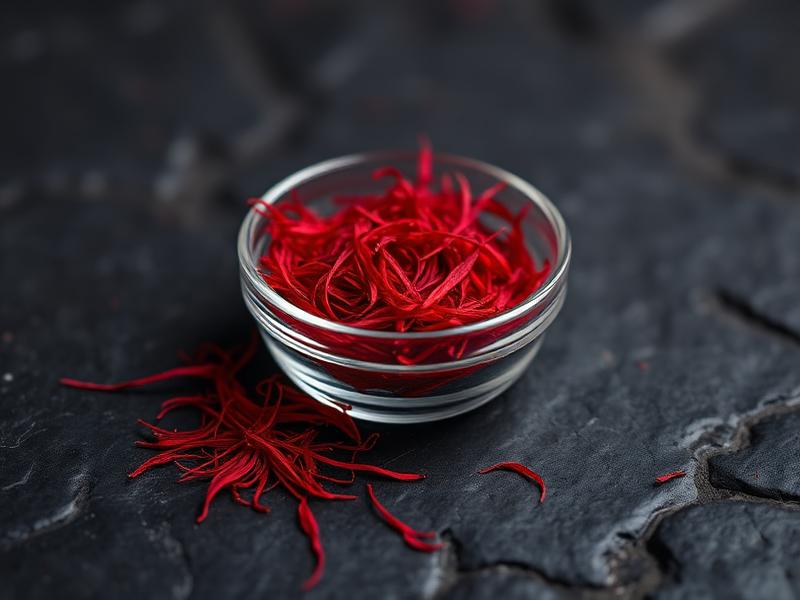
Afghan saffron is grown mainly in Herat province, where dry autumns and careful hand-harvesting produce threads with strong colouring power and aroma. It has repeatedly been ranked among the world's finest saffrons in international taste and quality evaluations — recognition that turned a traditional crop into a flagship export. Volumes remain small compared with Iran, which is precisely why genuine Afghan saffron holds its premium.
How saffron is graded
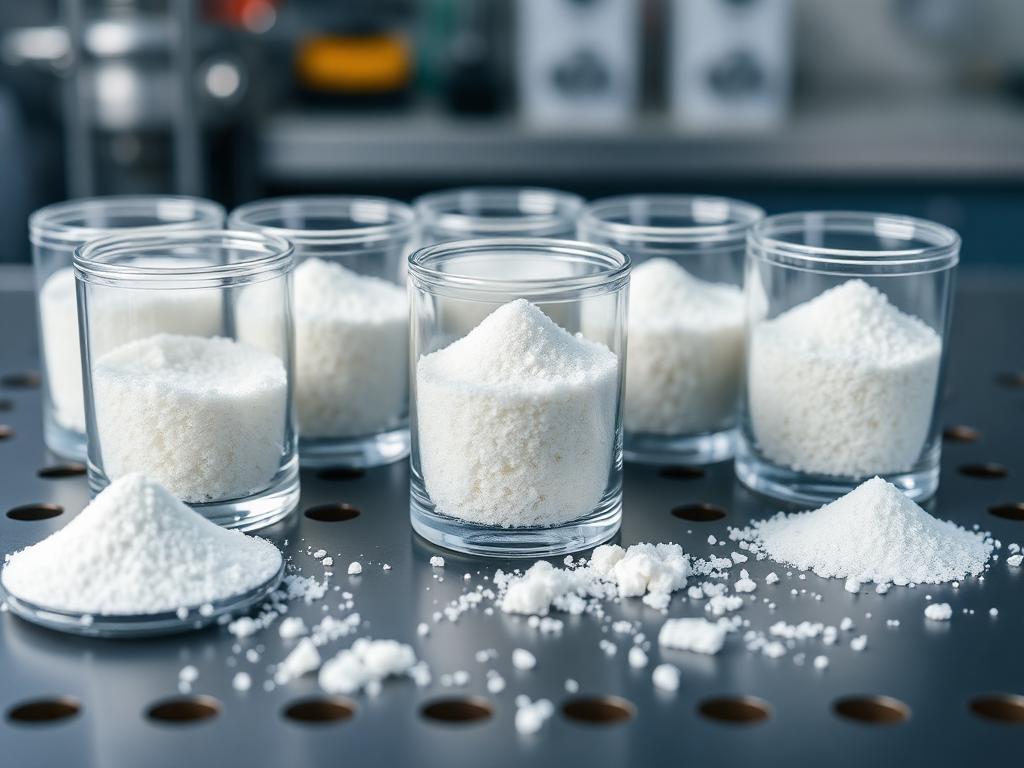
Serious trade is built on laboratory analysis under the ISO 3632 standard, which measures crocin (colour), picrocrocin (taste) and safranal (aroma). Buyers should expect a batch-specific lab report, not a marketing adjective. Equally important is what a certificate does not show: dryness, thread integrity and freedom from added colour or foreign matter — which is why we ship pre-production samples alongside documents.
Pine nuts from the eastern forests
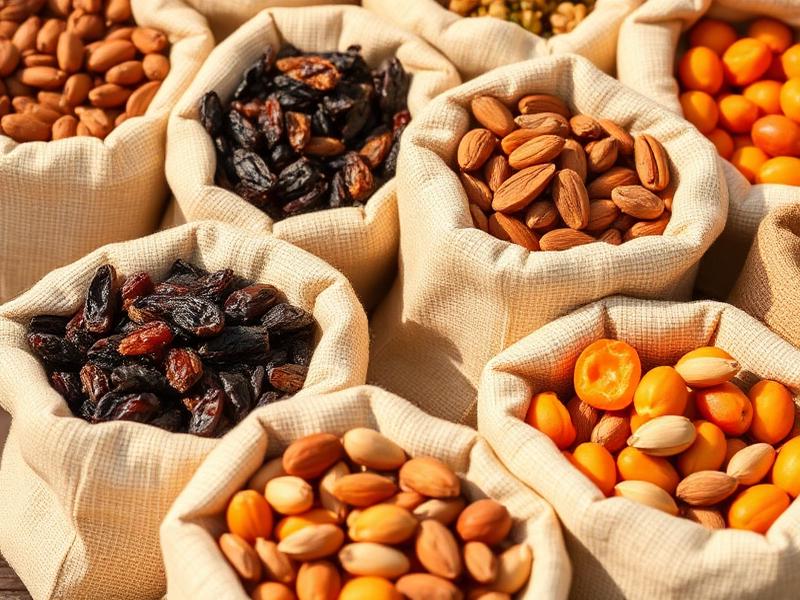
Afghan jalgoza pine nuts are wild-harvested in Kunar, Nuristan and Paktia, then shelled and graded by size. The kernels are valued across Asia and the Gulf for their length, pale colour and rich oil content. Export quality depends on careful shelling (to avoid broken kernels), moisture control, and protection from rancidity — pine nuts are oil-rich and punish lazy storage.
Packaging that protects the premium
- Vacuum or nitrogen-flushed packs for kernels to slow oxidation.
- Food-grade inner liners inside export cartons.
- Small retail formats for saffron — 1 g to 10 g — sealed against light and moisture.
- Clear lot coding so every carton traces back to a tested batch.
Buying premium Afghan product
Both saffron and pine nuts reward buyers who treat quality as a process: approved samples, batch lab reports, correct packing and a corridor matched to shelf life. Our export desk manages that process from the growing region to your warehouse — contact us with your target specification and we will respond with current availability and samples.