From potato starch to cocoa powder, Afghan food factories depend on imported raw materials. Here is how authorised distribution works — and what to check before you place an order.
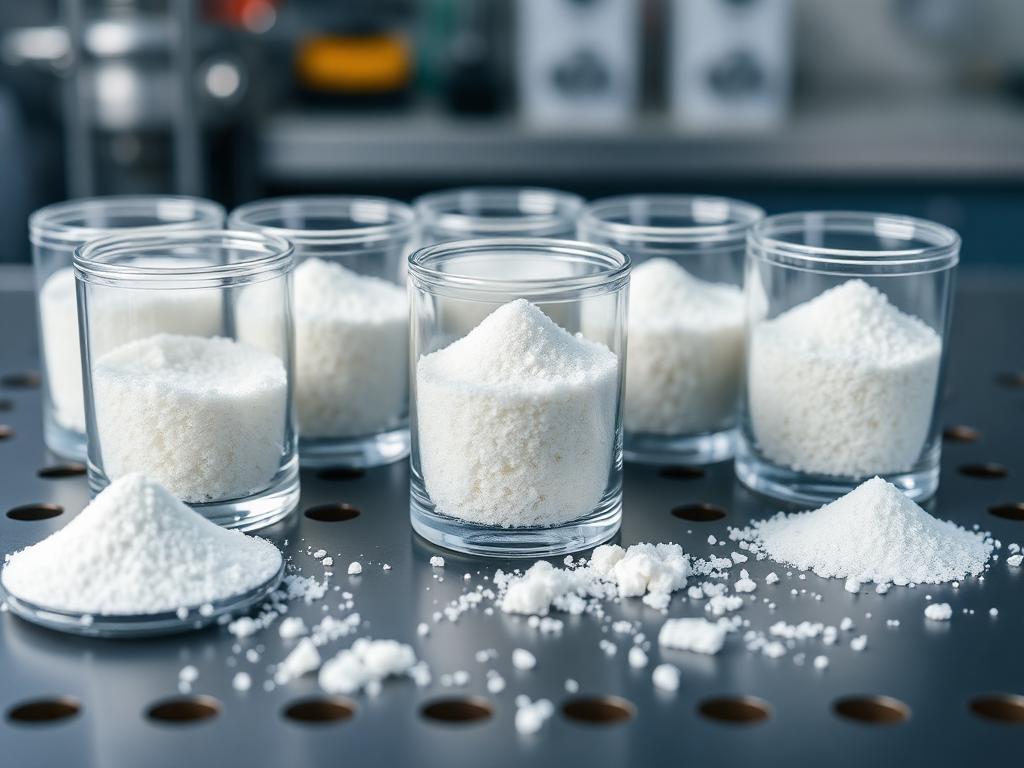
Afghanistan's food and beverage industry runs on imported raw materials. Biscuit and confectionery lines need starches, cocoa and sweeteners; dairies need milk powders and cultures; beverage plants need flavours, acidulants and phosphates. Almost none of these are produced domestically at food-grade quality — so the importer a factory chooses effectively decides the quality of its finished product.
Why authorised distribution matters
Global ingredient manufacturers do not sell to anonymous buyers. They appoint regional partners who are trained on their portfolio, hold stock under correct conditions and stand behind the product. Wakman Group works as a distribution partner for international manufacturers including Kerry, Emsland Group and Aditya Birla — which means the material an Afghan factory receives through us is genuine, traceable and supported by the producer's technical teams.
“A bag of starch without paperwork is a risk to your whole production line. A bag with a certificate of analysis, a batch number and a manufacturer behind it is an ingredient.”
What to check before you order
- Certificate of analysis (COA) for the exact batch — not a generic spec sheet.
- Shelf life on arrival: ask how much remains when the goods reach your factory, not when they left the origin.
- Storage history: starches, milk powders and flavours degrade quickly in heat and humidity.
- Halal and food-safety certification where your market requires it.
- A clear contact for technical questions — application support matters as much as the product itself.
Lead times and order sizes
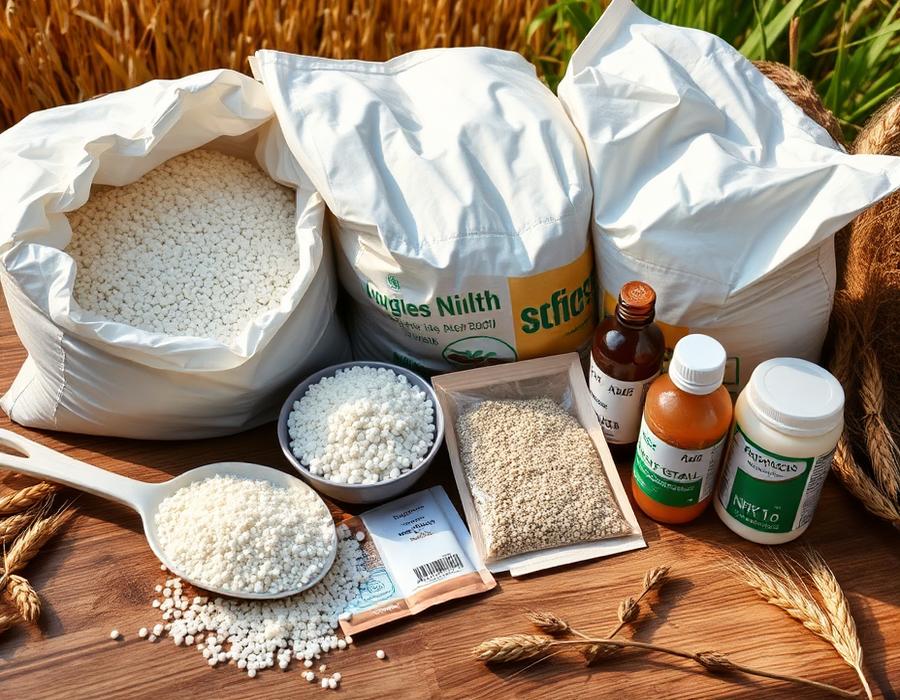
Most imported ingredients move in manufacturer-standard packaging — 20 or 25 kilogram bags for starches and milk powders, drums or cartons for flavours. Lead time depends on origin and corridor: regional stock can reach Kabul in weeks, while made-to-order production from Europe or India needs longer planning. Factories that share their production forecast with us can hold safety stock locally instead of gambling on spot purchases.
From inquiry to delivery
Tell us the ingredient, the application and your monthly volume. Our import desk responds with the right grade, current pricing, COAs and a delivery plan to your factory gate — anywhere in Afghanistan. For new applications we arrange trial quantities and manufacturer technical support before you commit to volume.